


Install Steam
login
|
language
简体中文 (Simplified Chinese)
繁體中文 (Traditional Chinese)
日本語 (Japanese)
한국어 (Korean)
ไทย (Thai)
Български (Bulgarian)
Čeština (Czech)
Dansk (Danish)
Deutsch (German)
Español - España (Spanish - Spain)
Español - Latinoamérica (Spanish - Latin America)
Ελληνικά (Greek)
Français (French)
Italiano (Italian)
Bahasa Indonesia (Indonesian)
Magyar (Hungarian)
Nederlands (Dutch)
Norsk (Norwegian)
Polski (Polish)
Português (Portuguese - Portugal)
Português - Brasil (Portuguese - Brazil)
Română (Romanian)
Русский (Russian)
Suomi (Finnish)
Svenska (Swedish)
Türkçe (Turkish)
Tiếng Việt (Vietnamese)
Українська (Ukrainian)
Report a translation problem


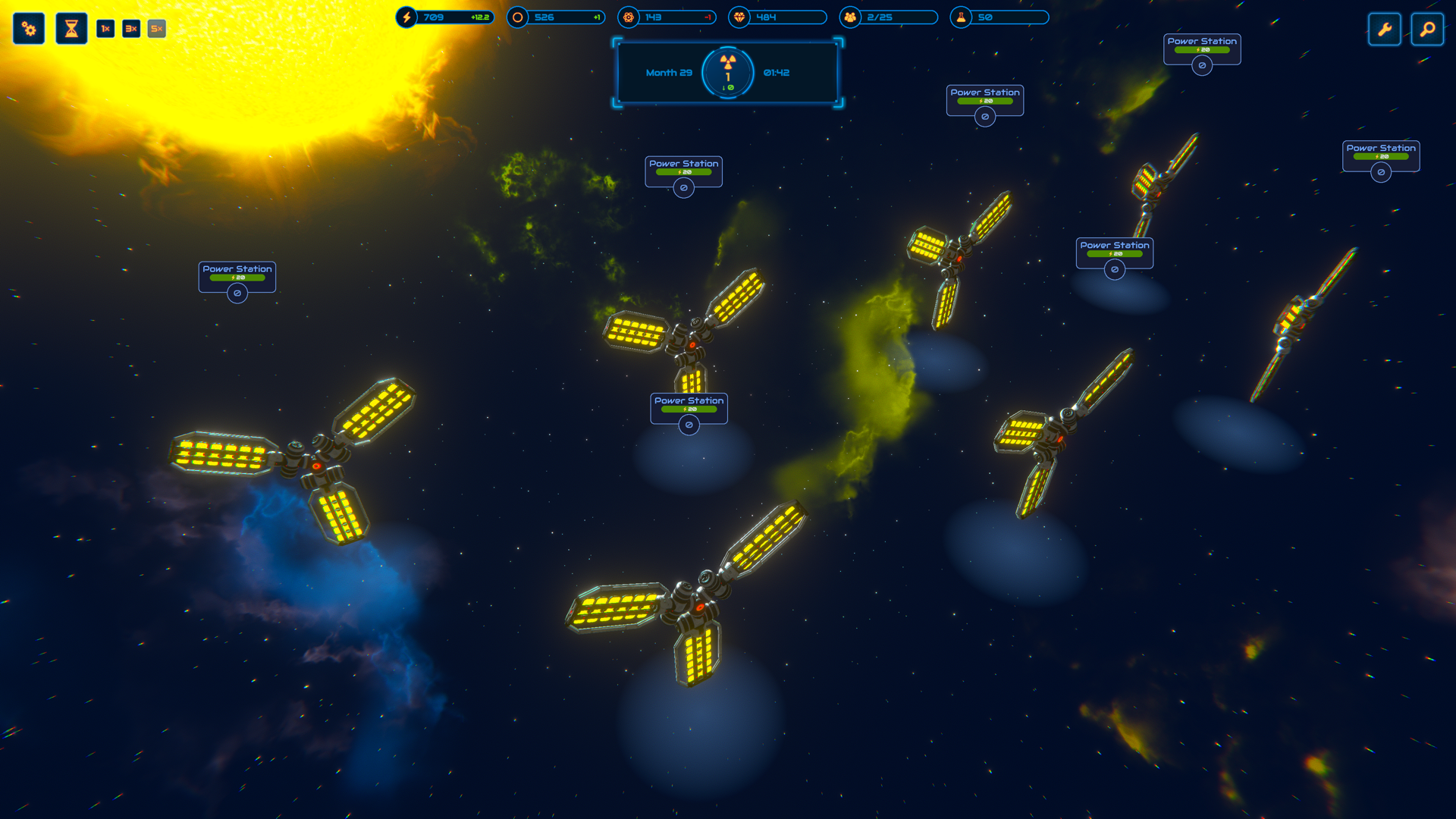 A cluster of solar arrays next to the Starbase.
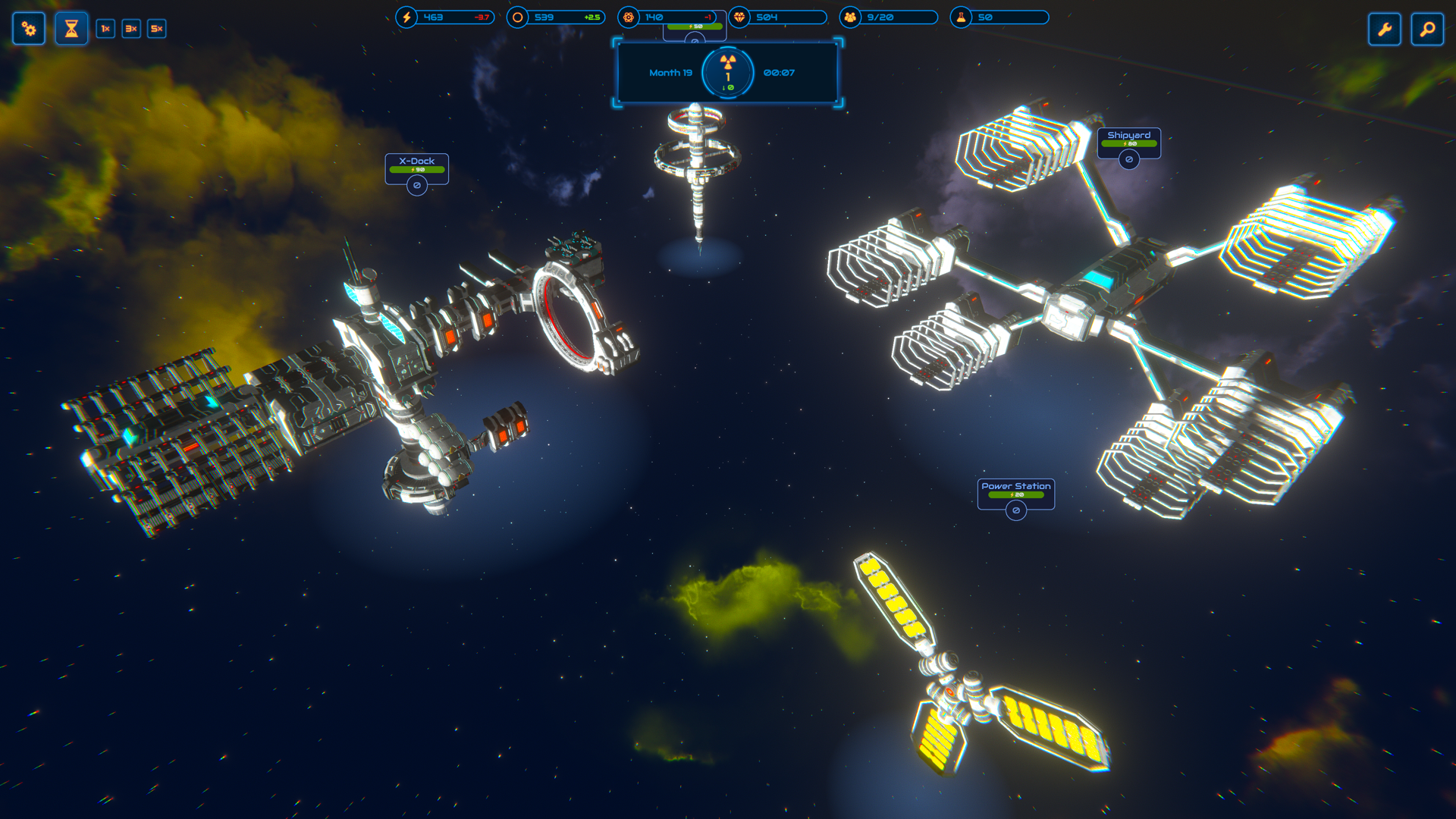 More stations—more credits!
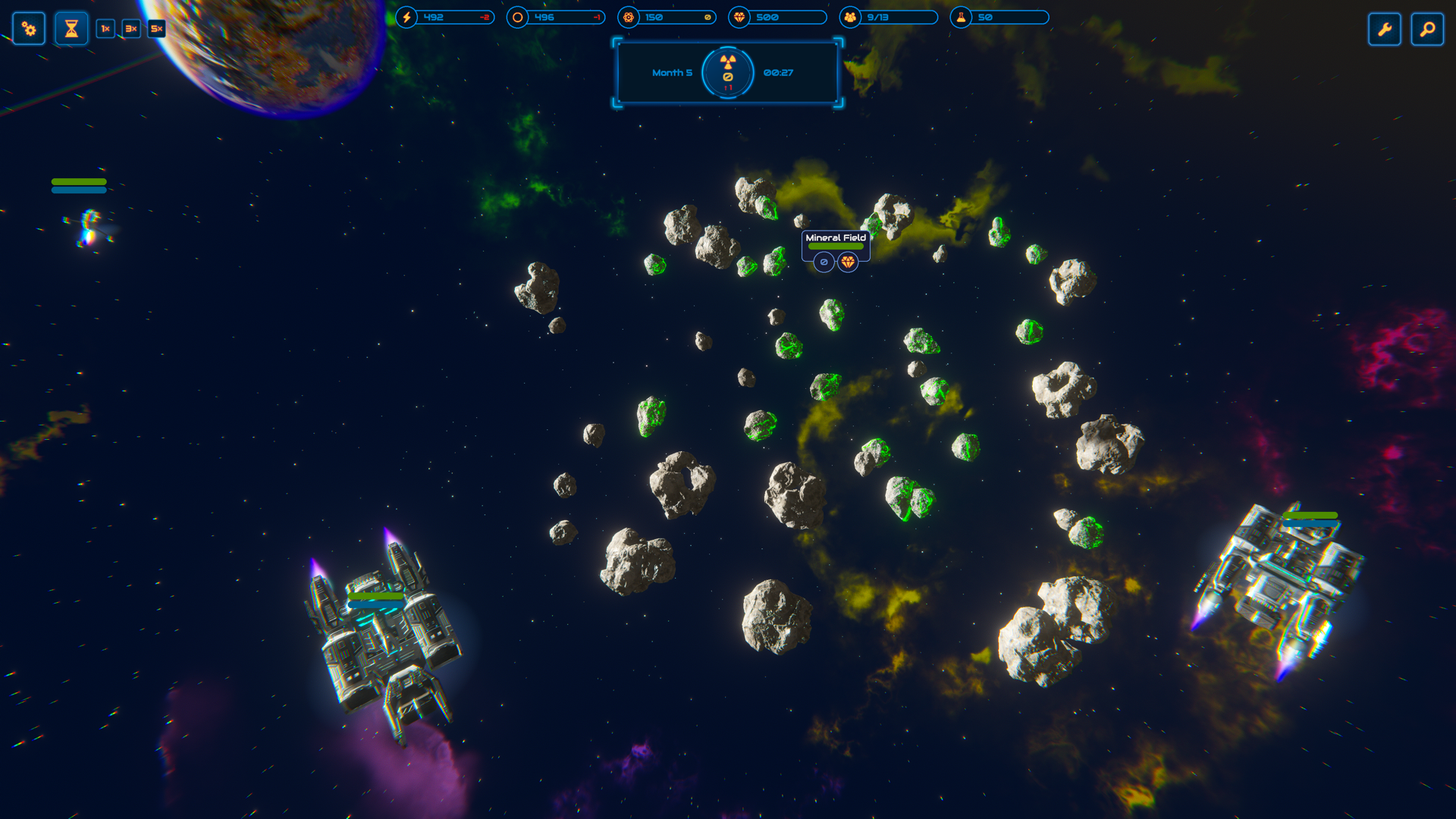 Mining minerals.
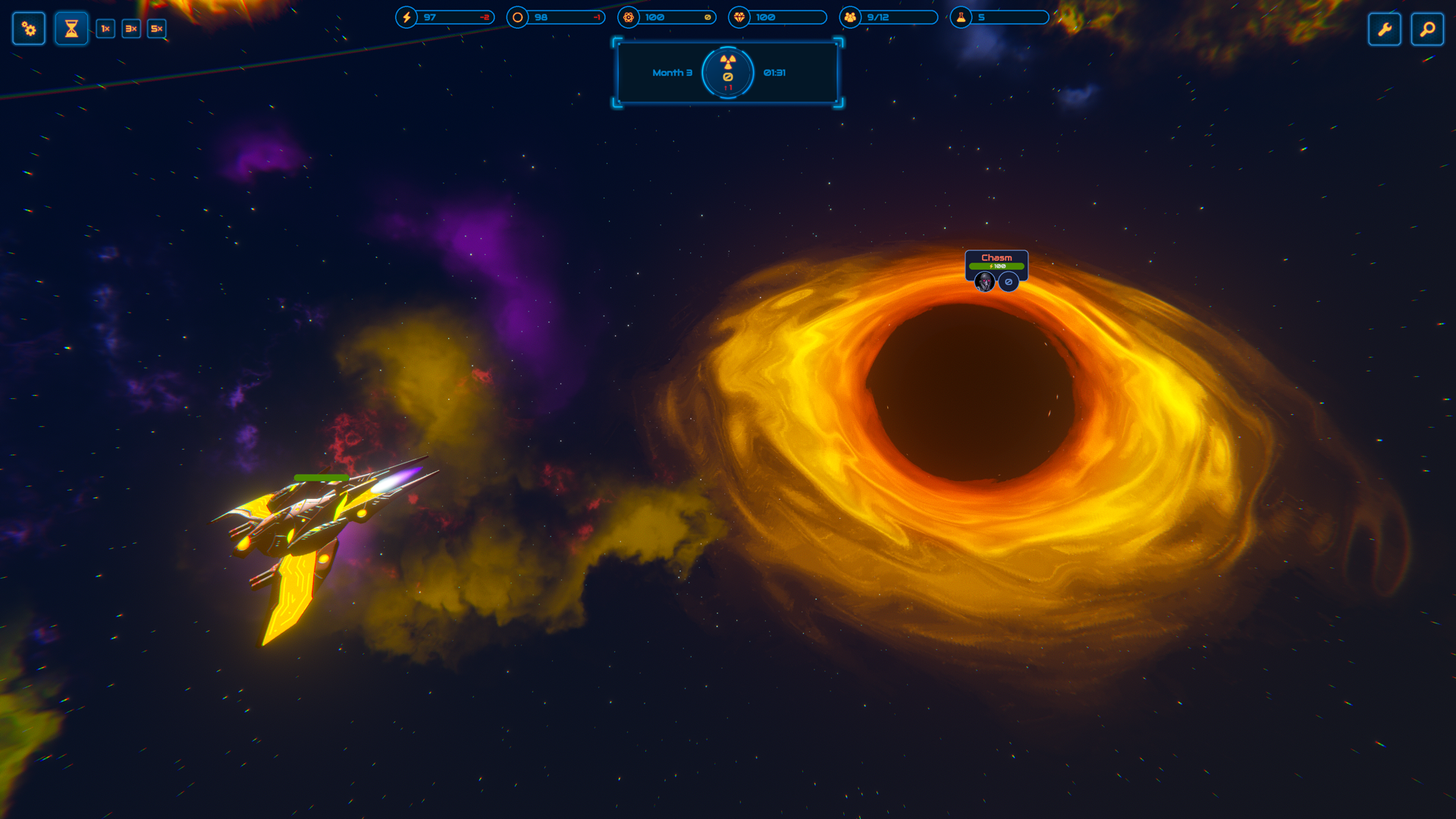 Chasm spawning a Rift spaceship.
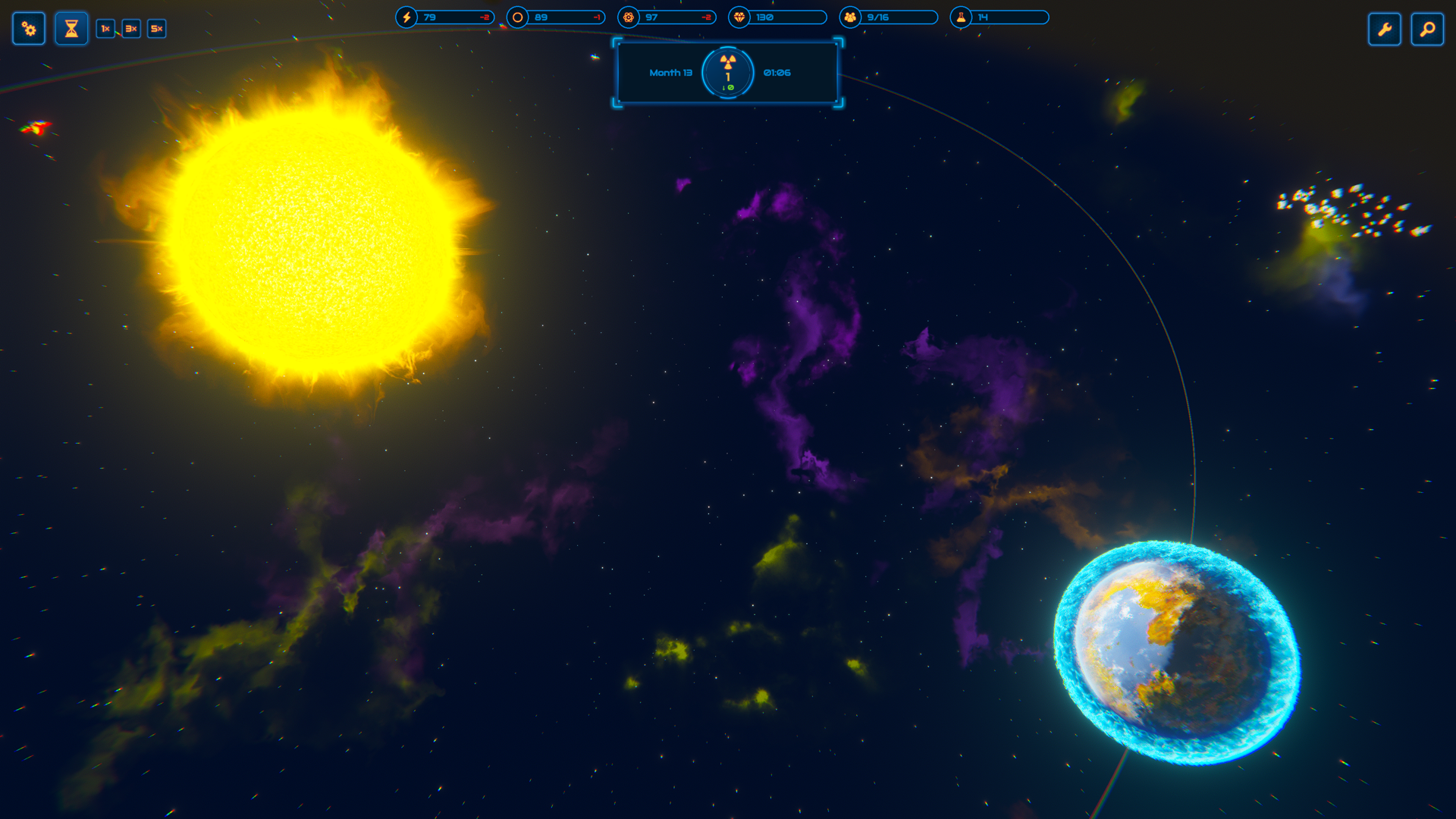 Planet protected by a radiation shield.

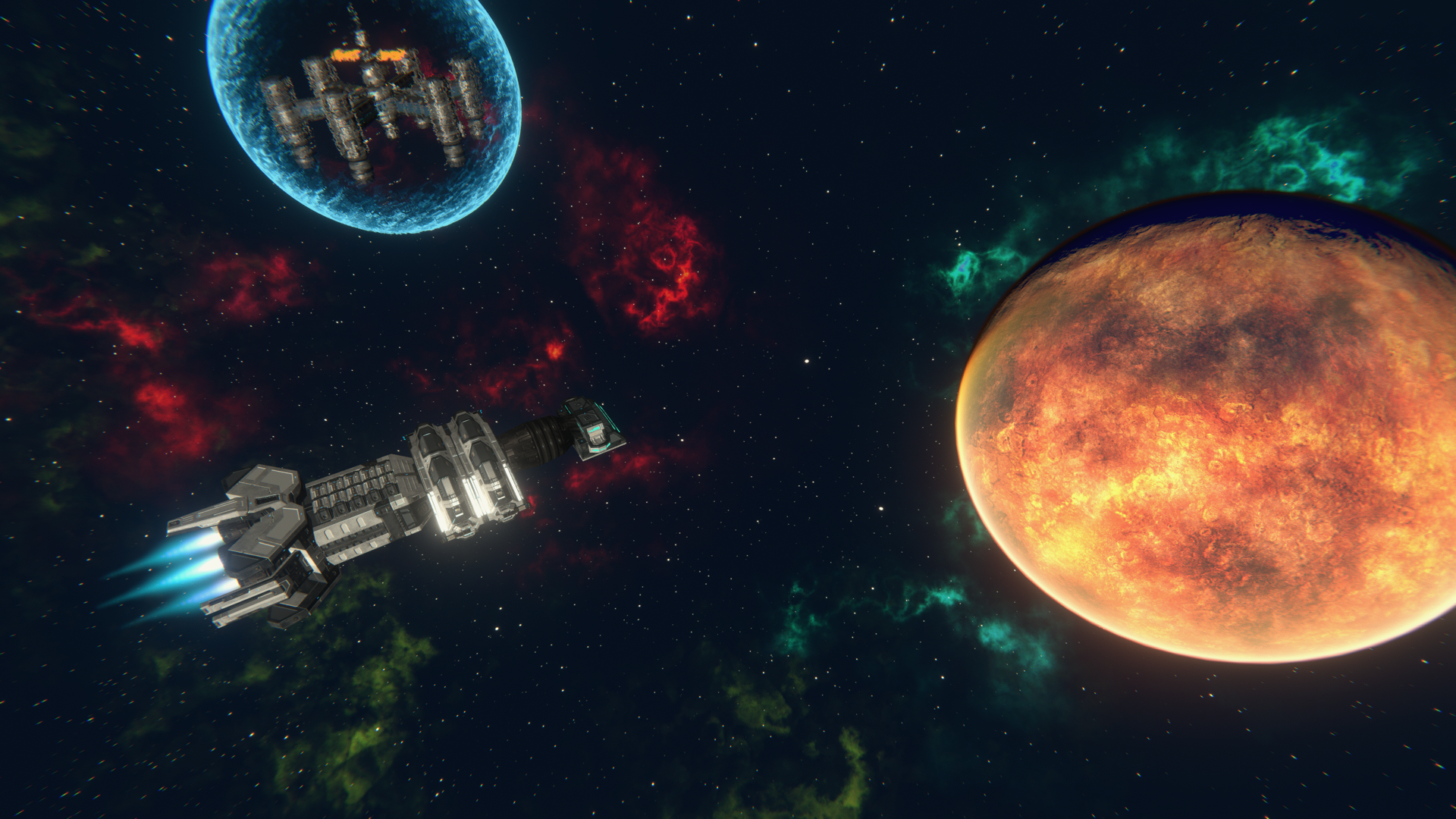 The most effective remedy to those spikes are giant energy shields that can be enabled around planets and space stations. Shields require thorium to function making it critical to find the right balance between typical RTS-y things (like mining resources, building out your base, and hiring units) and managing shield protection levels. A good analogy for shields is the generator and steam hubs in Frostpunk.
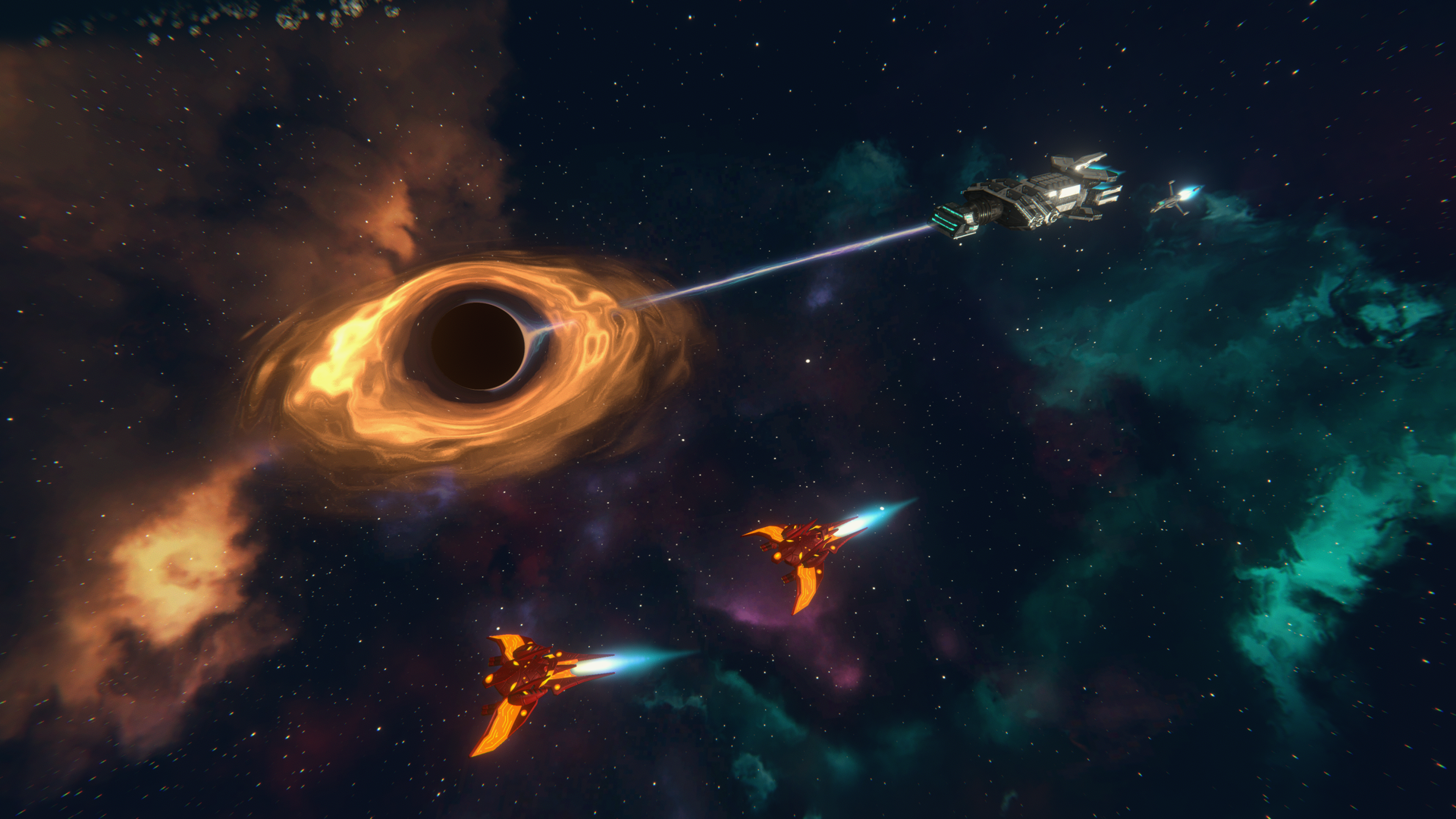 Spaceships act completely autonomously deciding themselves when to do their assigned jobs (terraforming, mining, exploration, battling, etc.) vs. having to perform upgrades and repairs with the money they've earned.
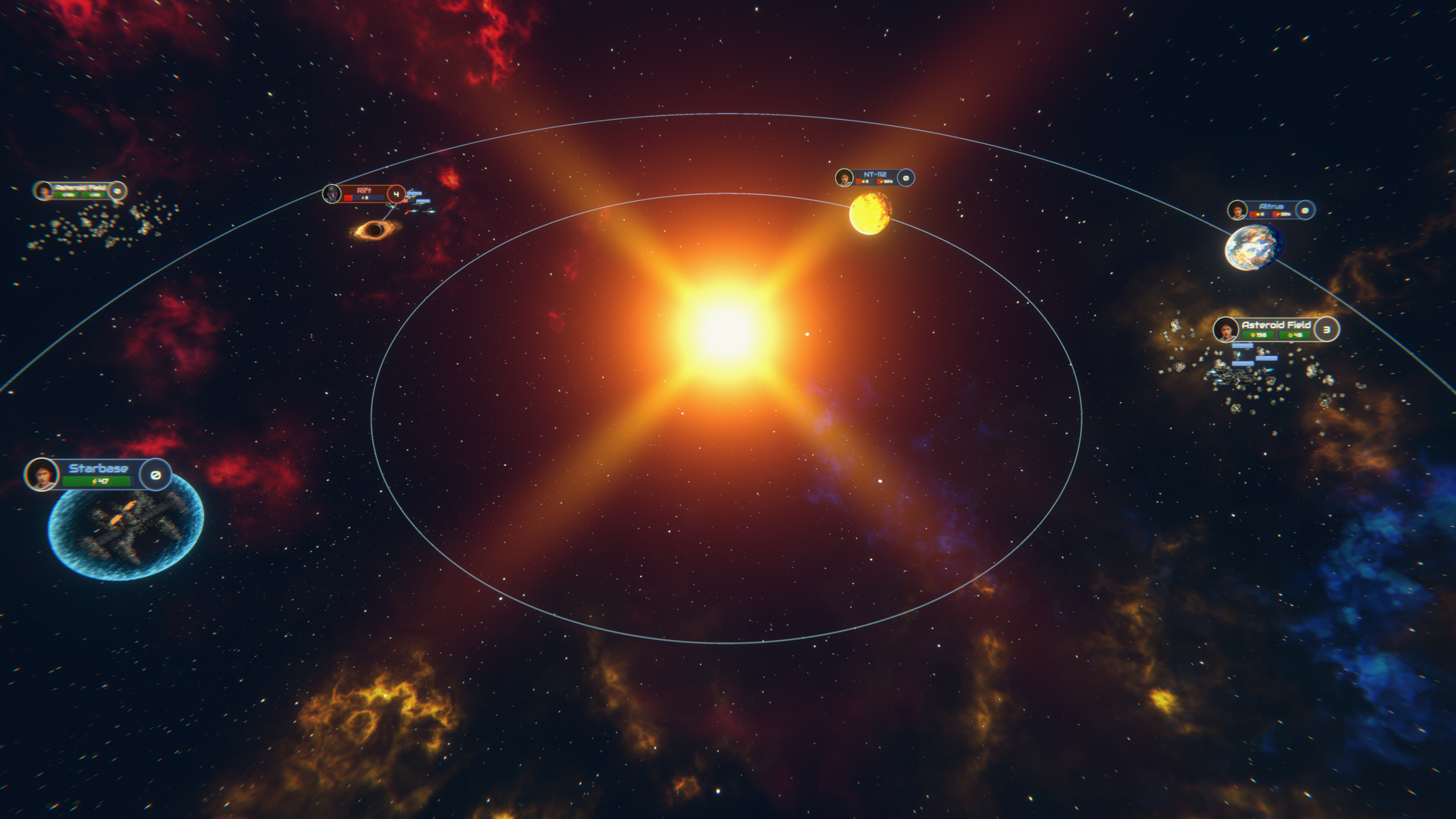 The story unfolds during in-game quests that you can either complete or fail. Some quests will reward you with resources and artifacts. Artifacts are special items that can be deployed on planets and space stations. As levels get increasingly more difficult, it becomes more critical to pick the right collection of artifacts to bring with you on new missions.


 Loading

